



Gracias por estar aquí.
Hoy por ti, mañana por mí.
HELP US!
This Beloved Teacher Desperately Needs a Living Kidney Donor to Survive
Please Save My Teacher
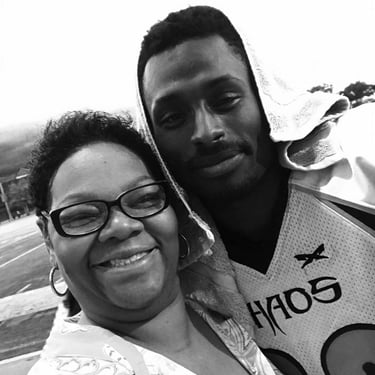
Please Save My Daughter
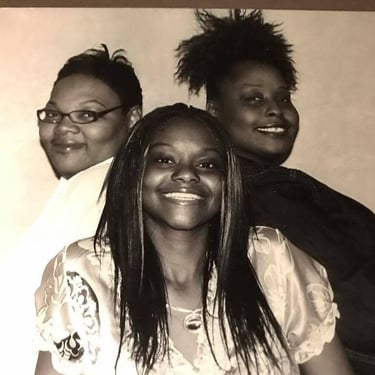
Please Save My Sister
Please Save My Aunt
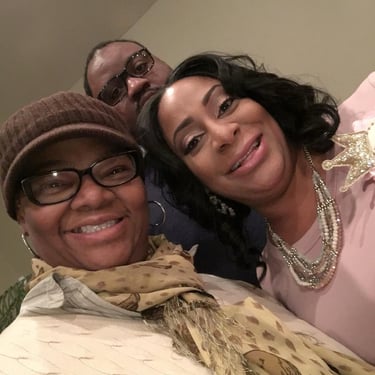
Please Save My Best Friend





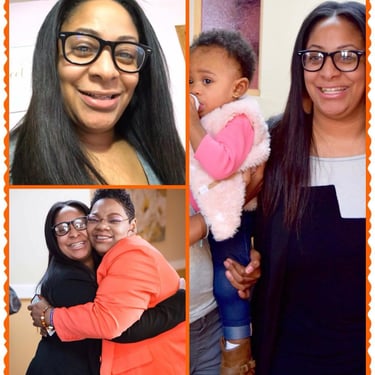






Student Testimonial
"You are a jewel to the world. Even on my worst days, you always knew how to bring out my best. Your discipline and life lessons shaped my adult life more than I understood at the time... you still inspire me 20 years later"
Donors Key Concerns:
Safety & Money
What are the real risks of donating a kidney? Will this shorten my life?
Any surgery carries risk. Here are real numbers from recent medical research, comparisons to other common procedures and the reasons why.
The mortality rate for kidney donation is 9 in 100,000 per the latest research (2022), down from 30 in 100,000 (2009). It's about as safe as a tonsillectomy (30 in 100,000 for adults) or appendectomy (10-50 in 100,000), and much safer than elective surgeries in a hospital (300 in 100,000). Why? Better surgical techniques, selection screening and medicines.
Here's how transplant hospitals to keep you safe. First, their medical standard is called "Net-Zero Harm." That means a donor only gets approved for donation if your predicted risk of developing kidney failure in the future is no higher than a health person who never donated. Second, their testing procedures are comprehensive - metabolic, imaging, cancer screening, cardiovascular and genetic. So, only the healthiest people get approved and that's why Johns Hopkins concluded living kidney donors live as long as "health non-donors." It's not because kidney transplant makes them healthier. It's because of "selection bias" and the "Healthy Donor Effect" - that's how careful they are about your health.
How can I survive with only one kidney?
That's true, but our kidneys are the ONLY organ in the human body with a built-in spare. After donation, your remaining kidney grows up to 20% and takes over the job of two. In fact, about 1 in 750 people are born with one kidney and lead perfectly normal lives. According to the National Institutes of Health, the risk of something happening to the remaining kidney of a donor is significantly LOWER than an average non-donor in the general population.
OK, let's say I donate, but something happens to my remaining kidney. Am I just stuck?
Not at all. As a precaution, when you go through evaluation, ask your transplant coordinator about working with the National Kidney Registry or Alliance for Paired Kidney Exchange. These organizations provides prioritization for a new living kidney - it's like going to the "front of the line" - if something happens to your kidney. The median waiting time for a new living kidney with the National Kidney Registry is 1.8 months.
Donation sounds expensive. Even if I'm cleared, I can't afford "time off" from work, medical costs and out-of-pocket expenses. Can anyone help with these costs?
Yes. First, your medical expenses are covered by the patient's insurance. Second, the financial impact of your donation is designed to be "cost neutral." That means you are reimbursed for lost wages and a range of out-of-pocket costs through your transplant hospital's partnership with the National Kidney Registry or Alliance for Paired Kidney Exchange. A transplant hospital coordinator will provide you with full details.
Student Testimonial
"You are a jewel to the world. Even on my worst days, you always knew how to bring out my best. Your discipline and life lessons shaped my adult life more than I understood at the time... you still inspire me 20 years later"
Are You an Angel?
I Need a Miracle.
A Personal Message from Meredith...
I never imagined I would be asking the public for something this personal.
My name is Meredith. I've been a teacher for 28 years and also an active member of New Maywood Church.
Doctors have told me that the waiting time for a deceased-donor kidney can be more than five years. Unfortunately, they also believe my health may not allow me to wait that long. That is why my family and friends created this website and why we are reaching out for help.
Many people who love me have already stepped forward and gone through testing, but some were not able to donate for medical reasons. Because of that, we are hoping someone we have not met yet might be willing to take the first step and learn more about becoming my angel - a living donor.
For most of my life I have tried to serve others — especially the children and families entrusted to me as a teacher. My classroom has always been more than just a classroom. It has been a place where students could feel safe, encouraged, and believed in.
If I am blessed with a transplant, I hope to continue doing what I love most: serving my community, supporting children and families, and sharing the faith and hope that have carried me through this journey.
This website was created to answer the real questions potential donors ask - about safety, medical coverage, financial protections, evaluation, surgery and recovery. If you are simply curious and want to learn more, the first step is a short, confidential evaluation with the transplant team. So, two pages of this website are dedicated specifically to potential donors - "Donor Protections" and "Donation Process."
Whether you are able to help or simply keep me in your prayers, I am deeply grateful. Thank you for taking the time to be here. If you'd like to know more about my life, faith and the people I serve, visit "More Meredith" on the next page.
- Meredith
This is Why Living Donation Matters

Anyone Can Be A Living Kidney Donor

Ever Seen a Miracle Happen? Watch This!













If you are even slightly curious, please consider taking the 15-minute donor evaluation
Interesting Facts
About 103,000 people in the U.S. are waiting for a kidney transplant, representing nearly 85–90% of the national transplant waiting list. Source: OPTN
The average wait time for a deceased-donor kidney can be 3–5 years or longer depending on blood type and location. Source: Kidney.org
Kidneys from living donors typically last longer and work better than kidneys from deceased donors. Source: Kidney.org